Interior Decoration Tips: Simple Ideas to Create a Beautiful and Comfortable Home
Interior decoration tips are about creating a space that fosters comfort and well-being. It presents simple and effective tips that will transform your living area into a beautiful sanctuary. Get ready to discover how small changes can make a big difference in your home environment.
Interior Decoration Tips: Start With the Purpose of the Room
Before buying anything, decide how the room will actually be used. A living room designed for entertaining guests, thrives on open space and social seating arrangements.
While a family room meant for watching television and unwinding benefits from cozy, layered furniture that invites relaxation. Each scenario demands a different approach to layout and accessory choices, underscoring the importance of purpose.
Essential furniture pieces must strike a balance between functionality and aesthetic appeal, guiding occupants without cluttering pathways.
By asking questions: Does the room require specialized storage solutions, or can you keep it minimalistic? You’ll create a harmonious environment that enhances the room’s intended function.
Choose a Color Scheme Before Decorating
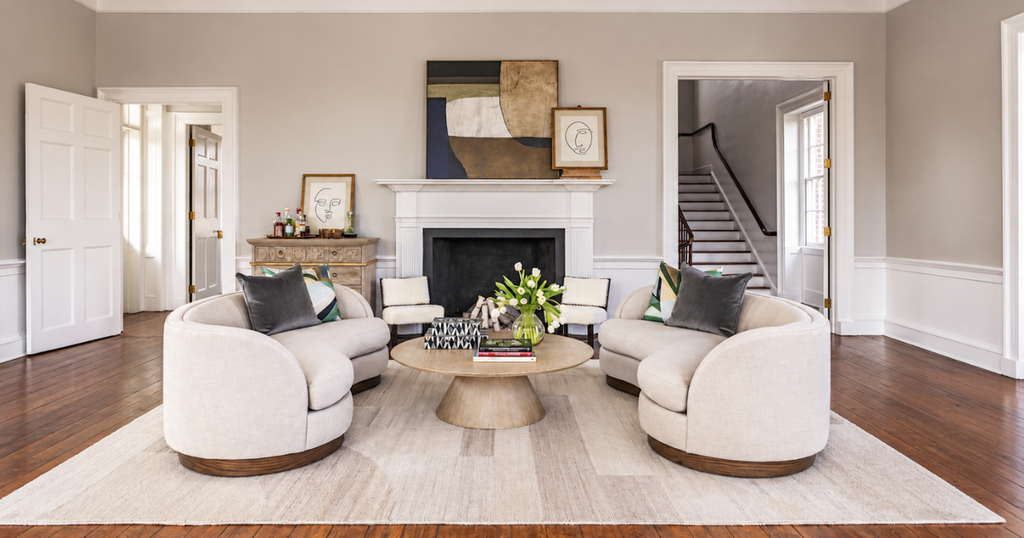
Color is one of the easiest ways to change the character of a room, transforming the atmosphere and mood without needing to invest in new furniture or decor.
By strategically selecting your main color and supporting shades, you can create zones within a single space, offering both variety and continuity.
Consider the Mood You Want
Considering the mood you want in a space is essential for creating an inviting environment. Different colors can create different visual impressions, shaping the energy that fills a room.
Soft neutrals can create a calm and timeless appearance, perfect for spaces meant for relaxation. In contrast, warm shades offer a welcoming embrace, ideal for areas where you gather friends and family.
Conversely, darker colors can add drama and depth, transforming a mundane room into a captivating sanctuary. For those drawn to a more grounded aesthetic, earthy shades cultivate a natural and relaxed feeling, harmonizing with the environment.
Pay Attention to Natural Light
Before selecting paint, curtains, or furniture, take the time to observe how sunlight enters the room throughout the day. Rooms can take on a new character with the soft morning light or the dramatic hues of sunset.
Colors that seem appealing in a store, under artificial lighting, may morph into something entirely different when illuminated by your home’s natural light. Opt for lightweight, sheer curtains that allow daylight to filter in while maintaining a sense of privacy.
Avoid placing bulky furniture directly in front of windows, as this can block the flow of light and stifle the room’s energy, leaving it feeling cramped and less inviting.
Create Layers of Lighting
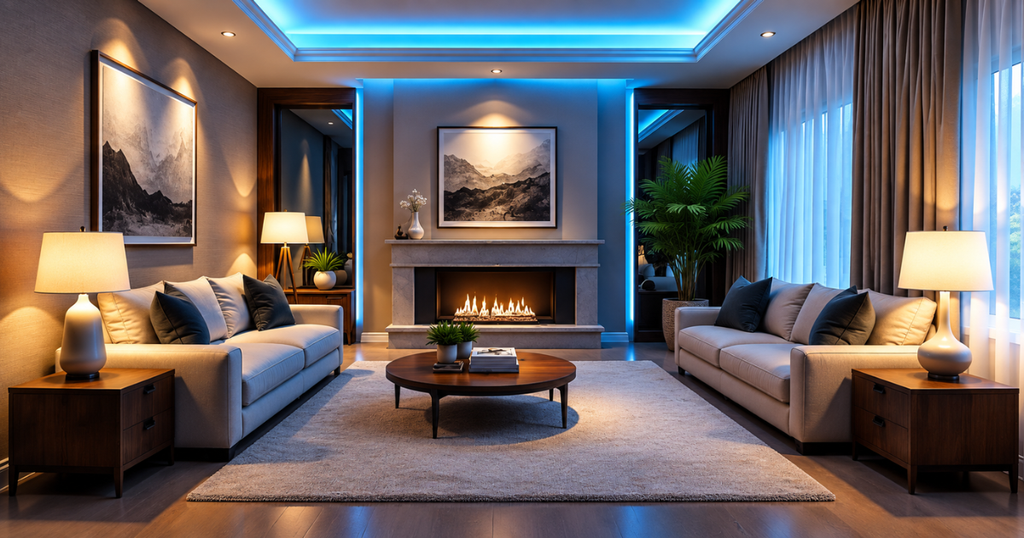
One ceiling light is rarely enough to make a room feel properly designed. Effective interior decoration uses different types of lighting for different purposes.
Ambient Lighting
Ambient lighting provides general illumination throughout the room, creating a foundation for the overall atmosphere.
Ceiling fixtures, recessed lights, and similar options can serve this purpose effectively, harmonizing with both modern and traditional decor.
Task Lighting
Task lighting is an essential element in any well-designed space, tailored to improve specific activities and boost productivity.
By strategically incorporating task lighting, you elevate the functionality of your space and add layers of style and personality, creating an inviting atmosphere that inspires creativity and well-being.
Accent Lighting
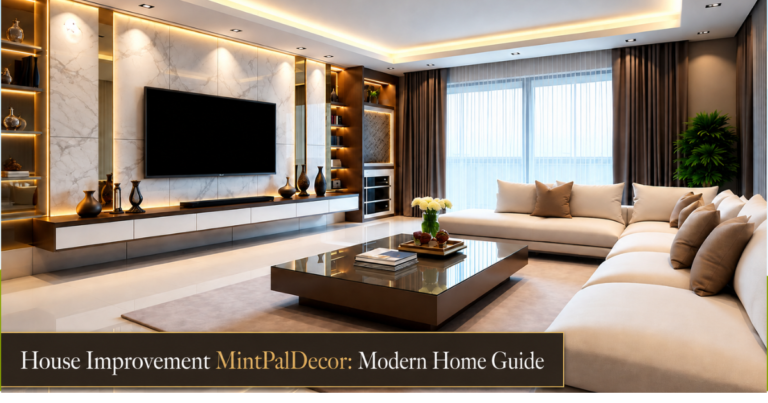
Accent lighting draws attention to selected features such as artwork, shelves, architectural details, or decorative objects, transforming a simple space into a curated experience.
By strategically placing fixtures like adjustable spotlights or wall-mounted sconces you can create visual focal points that evoke emotions and inspire conversations.
Combining these layers allows you to change the atmosphere of the room depending on the occasion.
Select Furniture According to Room Size
One of the most common decorating mistakes is choosing furniture based only on appearance. A large sofa may look impressive in a showroom but can easily overwhelm a small living room, making it feel cramped and uninviting.
Selecting very small furniture for a spacious room can lead to an imbalance, creating an echoing effect that diminishes the room’s potential. This contrast demonstrates the necessity of considering scale, as furniture should enhance rather than disrupt the harmony of a space.
Thoughtful planning ensures your furniture completes the room’s aesthetic rather than complicates it, promoting both style and functionality.
Avoid Pushing Every Piece Against the Wall
Many people automatically place all furniture against the walls. However, this can sometimes make a room feel disconnected, lacking intimacy and warmth. By experimenting with bringing furniture slightly inward, you can transform a space from simply functional to thoughtfully curated.
Arranging furniture in this way not only fosters social interaction but also helps to define the purpose of the room. Consider the dynamics: a cozy layout encourages friends to gather, share stories, and feel at home.
Use Rugs to Define Different Areas
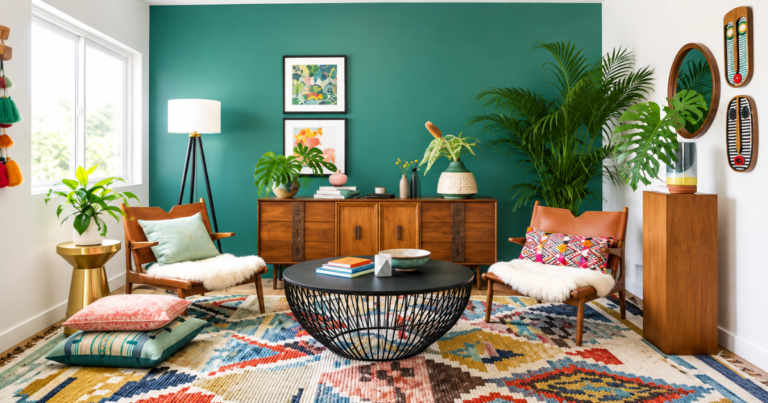
A rug can do much more than add softness under your feet; it can serve as an anchor that visually connects furniture and establishes distinct areas within a larger room. In an open-plan living area, a well-placed rug can clearly delineate the seating zone, setting it apart from the dining or working areas.
When selecting the perfect rug, consider the room dimensions and furniture size to ensure a balanced aesthetic. A rug that is too small can make the space feel disjointed, while one that is appropriately sized can unify the arrangement, providing comfort and style.
Add Texture for Visual Interest
A room can have a beautiful color scheme and still feel boring if everything has the same texture. By thoughtfully combining elements like smooth glass and rustic wood, or shiny metal and soft cotton, you can transform a flat space into a dynamic, layered environment.
Imagine how a sleek coffee table can be beautifully balanced by a textured rug underfoot, adorned with soft cushions in varied weaves, and accented by woven baskets that add both function and flair. Opting for materials like wool and linen can add a cozy vibe, while ceramics and natural fibers introduce an earthy quality.
Use Decorative Accessories Carefully
Also Read: Blog Home Decor Ideas TheHomeTrotters: Stylish Home Decor & Smart Living Guide
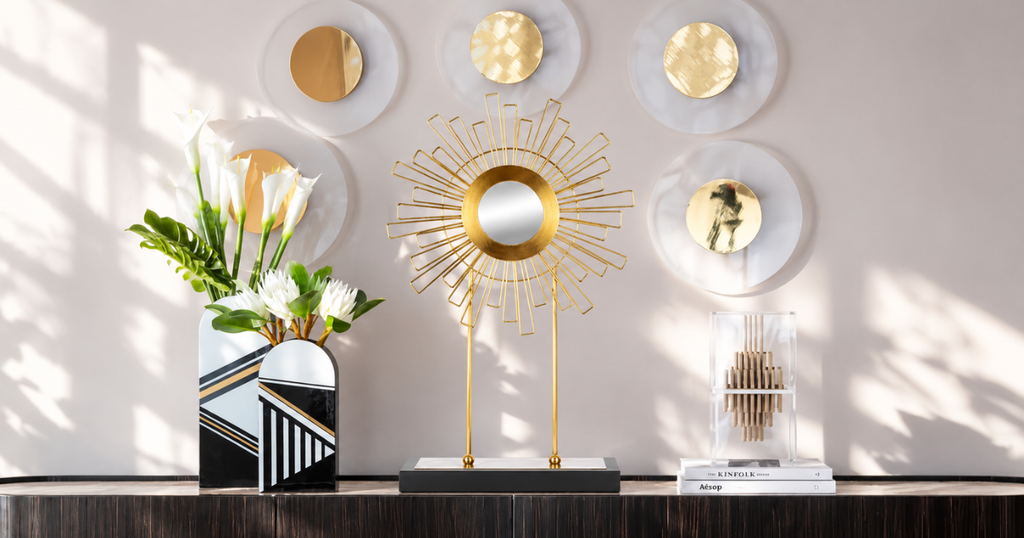
Decorative accessories can express personality, but wielding them carelessly often leads to visual clutter. Select pieces that resonate with your style or hold sentimental value. A beautifully framed photograph or a striking vase can be focal points.
Grouping smaller objects creates a more cohesive look, drawing the eye to a curated arrangement rather than a scattered setup. Think of it as setting the stage: just as a few well-placed candles or an eye-catching sculpture can enliven a room, an empty area can provide balance and breathing room.
Bring Nature Indoors
Plants add life and visual softness to an interior, enhancing your environment while purifying the air. If you have enough natural light, consider selecting indoor plants that complement your aesthetic and maintenance routine. Imagine a leafy monstera perched in a sunny corner, its lush leaves drawing the eye and inviting a conversation about nature’s resilience.
Wooden elements, woven baskets, stone finishes, and natural fabrics can collectively contribute to a warmer, more inviting atmosphere. Nature’s beauty doesn’t have to be confined to the outdoors, bring it indoors, and let your spaces breathe with life.
Make Small Rooms Feel More Spacious
Interior decoration, it is to prioritize visual openness over merely filling the room with decorative items. For instance, opt for furniture that is appropriately sized; oversized pieces can create a cramped atmosphere, while sleek, multifunctional furnishings enhance flow and utility.
Incorporating lighter visual tones can significantly brighten a small room, making it feel airy and expansive. Mirrors also play a vital role; when strategically placed, they can reflect light and create the illusion of additional depth.
Use Mirrors Strategically
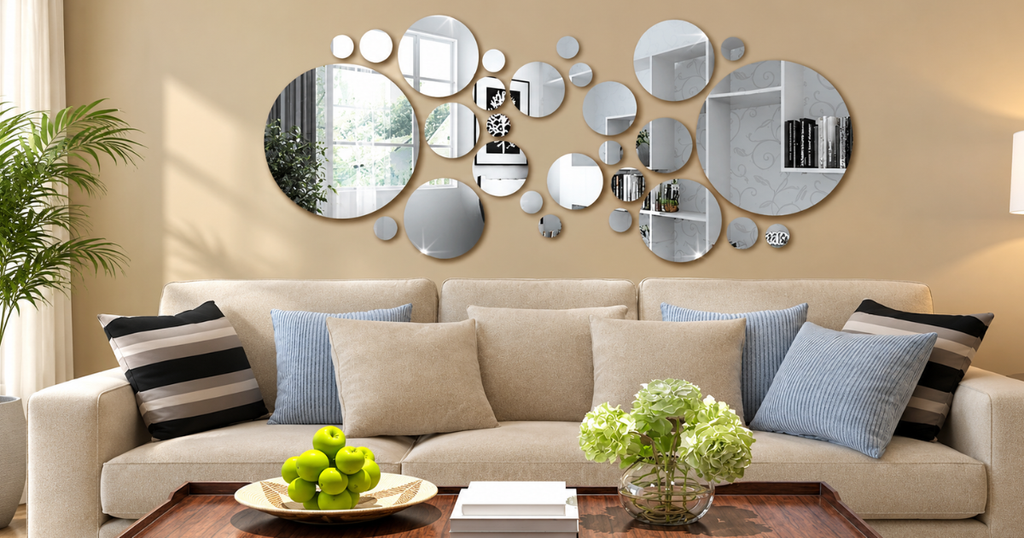
A mirror facing a window can beautifully amplify natural light, illuminating shadowy corners and bringing warmth into your room. Conversely, positioning a mirror to reflect an attractive feature like a piece of artwork or a fireplace can draw the eye and imbue the space with a sense of purpose.
Large mirrors serve as bold statements, anchoring a room with their presence and making areas feel expansive. On the other hand, a curated collection of smaller mirrors can craft an artistic focal point, adding an eclectic touch to your decor.
Decorate Walls Without Overdoing Them
Blank walls can make a room feel unfinished, but covering every wall can have the opposite effect. Striking a balance is key: opt for a statement piece, such as one large artwork, which can anchor the space without overwhelming it.
For smaller spaces, decorative mirrors can create an illusion of depth, providing a stylish flair. Floating shelves offer a versatile solution; they showcase personal photography or curated trinkets without cluttering the floor.
Think About the Ceiling and Vertical Space
When decorating, it’s easy to overlook the upper realms of a room, the ceiling and vertical space are pivotal in shaping your living environment. Strategically hung curtains that touch the ceiling can elongate the walls, making a room feel more expansive while adding a touch of elegance.
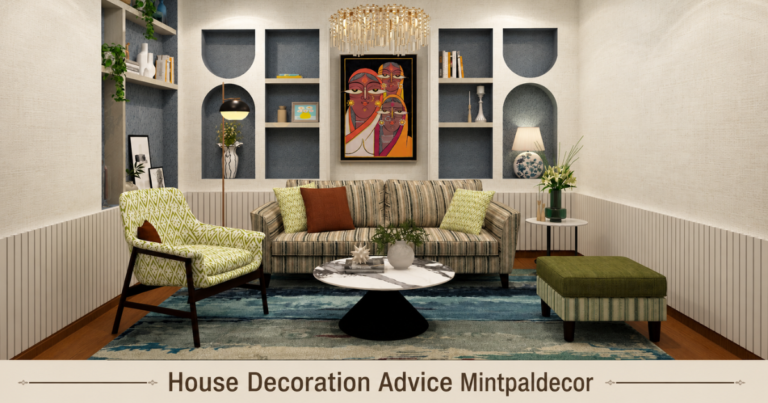
Tall shelving units offer much-needed storage and draw the eye upward, creating an illusion of height. Also, incorporating artistic lighting fixtures, such as pendant lights or chandelier-style lamps, can serve as stunning focal points that bring character to the upper portions of your space.
Keep Functionality at the Center
A home should not look attractive only in photographs; it needs to function seamlessly within the daily rhythms of life. Before adding an item, consider whether it is useful, meaningful, or contributes positively to the room’s overall experience.
In busy family areas, the choice of washable fabrics becomes essential. Keep frequently used objects within easy reach to minimize clutter and encourage a nurturing atmosphere. By avoiding fragile decorations in high-traffic areas, you create a safer, more laid-back vibe, allowing for comfort over perfection.
Create a Focal Point
Interior decoration naturally attracts attention, serving as a visual anchor that can transform a space. By thoughtfully choosing your focal point be it a stunning fireplace or a distinctive piece of furniture you set the stage for the room’s personality.
Position furniture and decor in a way that supports your focal point, rather than competing with it. An accent wall can boost a beautiful bed or a large window with an attractive view can frame a cozy seating area.
Do Not Follow Trends Blindly
Interior decoration, trends can provide inspiration, but not every trend will suit every home. It’s essential to remember that a design that thrives in a sprawling, open space might feel cramped and chaotic in a compact apartment.
Similarly, a color that’s currently in vogue may clash with your existing furniture or the natural lighting in your rooms. Honoring the unique characteristics of your space is key to creating a harmonious environment.
Conclusion
Interior decoration can transform your living space into a haven of comfort and style. By incorporating simple ideas such as layering textures, choosing a cohesive color palette, and using statement pieces, you can create an environment that reflects your personality.
Remember, small changes can make a significant impact, so don’t underestimate the power of accessories and lighting. It encourages you to experiment and find joy in the decorating process, as each room should tell your unique story. Start your journey today and watch your home evolve into a beautiful sanctuary.
FAQS
Interior decoration is important in Home Decoration Why?
Because it transforms a basic physical shelter into a functional, comfortable, and visually appealing personal sanctuary.
What is the 3-5-7 rule in interior decoration?
This rule suggests using 3 of one item, 5 of another, and 7 of a third item in your decoration to create visual harmony and balance.
What are some simple tips for Interior decoration for home?
Use a consistent color scheme, choose multifunctional furniture, add personal touches, and keep spaces clutter-free for a fresh look.
What is Gen Z interior decoration?
Gen Z interior design embraces sustainability, bold colors, multifunctional spaces, and a mix of vintage and modern pieces, often highlighting individuality.