Exterior Design DrHomey Guide to Modern Outdoor Space
Exterior Design DrHomey offers inspiration for creating modern outdoor spaces that combine style, comfort, and functionality. From elegant front elevations and stylish gardens to luxurious swimming pools, cozy patios, and attractive outdoor lighting, the right design choices can make a big difference. Whether you have a small backyard or a spacious outdoor area, this guide will help you explore creative exterior design ideas, choose suitable materials, and make the most of your space. American homeowners treat their outdoor spaces as extensions of their living areas, reflecting personal style and enhancing property value. In this guide, we’ll explore the critical elements of modern outdoor design architecture, materials, color, landscaping, lighting, and outdoor living.
Start With Your Home’s Architecture
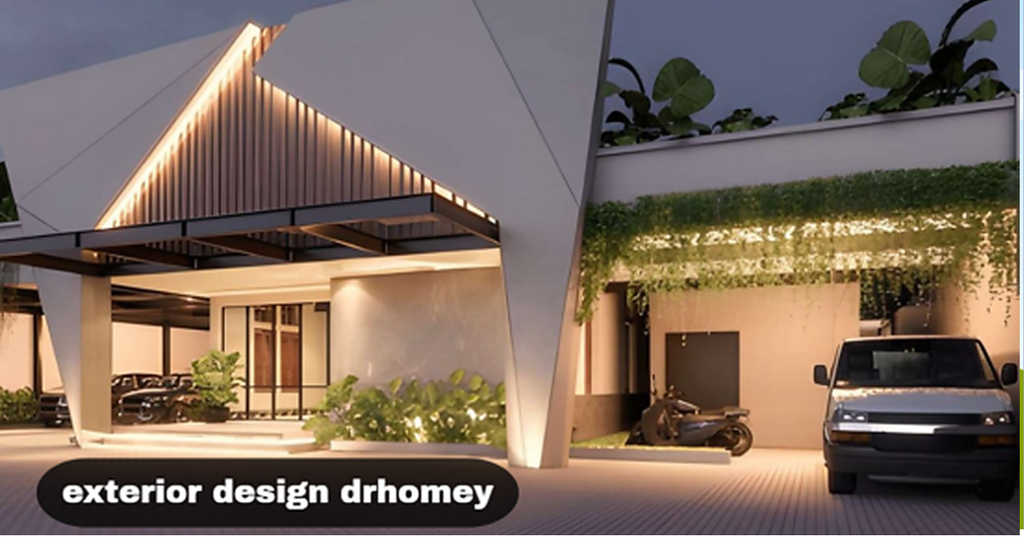
Before you rush to buy paint or tackle the weeds in your garden, take a moment to truly listen to what your home is communicating. Every architectural style carries its own unique design vocabulary that speaks volumes about what kinds of updates or enhancements will feel right. For instance, a craftsman home thrives on elements like wide porches, tapered columns, and exposed rafter tails, inviting a sense of warmth and craftsmanship that should echo throughout your decor choices.
If your home is a mid-century modern masterpiece, its essence is best celebrated through large windows that merge the indoors with the outdoors and sleek, clean horizontal lines. Updating your space in a way that aligns with these characteristics creates an effortless harmony. When new changes naturally flow with the existing architecture, they elevate your home’s spirit. Conversely, choices that clash with the style often leave a jarring impression, where one feels out of sync with the other, undermining the beauty of both. So, take a step back and let your home’s architectural style guide your improvements.
Choosing Materials For Exterior That Hold Up
Choosing the right materials for exterior design can be the difference between a façade that endures for decades and one that deteriorates in just five years. Your selections should harmonize with your local climate, architectural style, and the level of ongoing maintenance you’re prepared to commit to. For instance, fiber cement siding stands out as a top choice across the U.S., combining durability with aesthetic appeal. It resists moisture, pests, and fire better than natural wood, making it a wise investment for homeowners.
In addition to its resilience, fiber cement doesn’t warp in varying temperatures and holds paint exceptionally well, ensuring your home’s exterior remains vibrant for years. By prioritizing materials like these, you’re not just enhancing your home’s look; you’re also making a savvy long-term decision. When you weigh your options carefully, you’ll not only fortify your home against the elements but also save time and money on maintenance down the road. Choosing wisely today sets the stage for a worry-free tomorrow.
Color Strategy That Actually Works
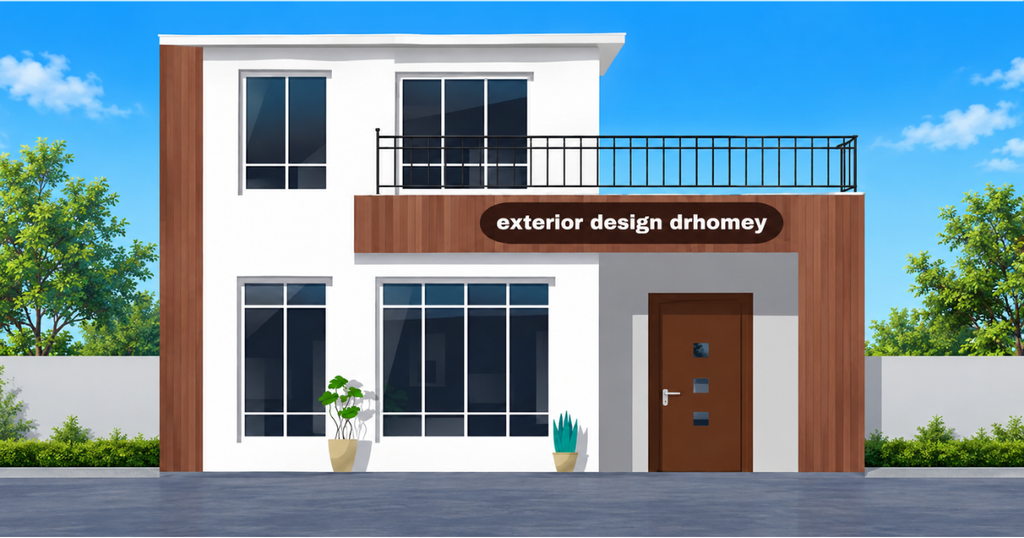
When it comes to color strategy, the magic often lies in pairing warm neutrals like creams, sandy whites, warm taupes, and earthy beiges. These hues create an inviting atmosphere, blending seamlessly with various textures and natural materials.
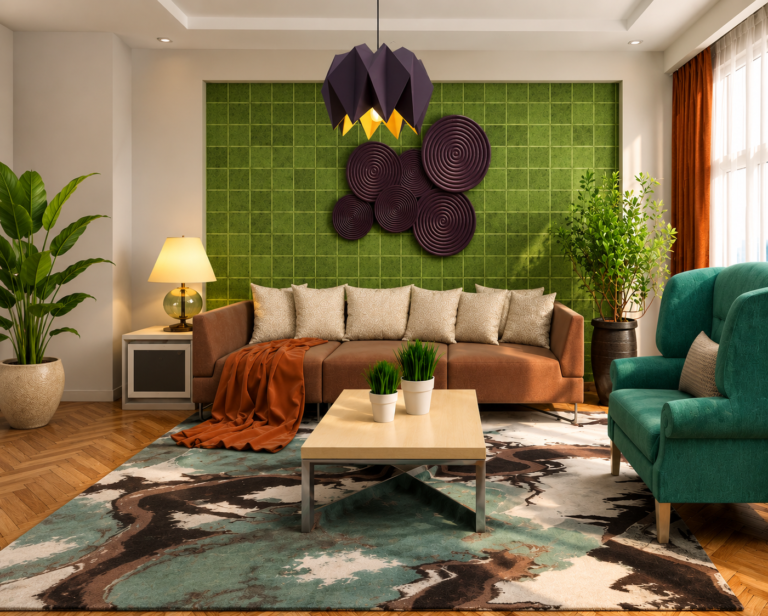
The solid color strategy is composed of three essential parts: primary color, secondary color, and accent color. Your primary color sets the foundational tone, while the secondary color adds depth and variation. Accent colors introduce visual interest and personality, strategically placed to draw the eye and evoke emotion. This thoughtful approach encourages harmony, inviting you to experience spaces in a whole new light.
When considering a color strategy for your home, the choice of a dark front door can make a remarkable statement. Shades like navy, forest green, deep charcoal, and black add depth and sophistication, creating a striking contrast against lighter exterior colors. These bold choices not only enhance curb appeal but also invoke a sense of warmth and welcome, setting the tone for visitors before they even step inside.
One tip that saves homeowners both money and potential regret is to test paint colors directly on your siding. It’s crucial to remember that paint appears vastly different on a sample card than it does under the specific lighting of your home. By purchasing quart samples, you can create large swatches and observe how they transition from morning to evening light. This simple practice can prevent costly mistakes and ensure you truly love the color in every light condition. After all, your home is not just a structure; it’s a canvas that reflects your personality and style.
Exterior Design DrHomey Landscaping as Structure, Not Decoration
Effective landscaping works in layers, combining thoughtful design with nature’s beauty. Imagine your yard as a three-dimensional canvas, where taller elements serve as a majestic backdrop, framing the scene with trees or plants. Mid-level shrubs and ornamental grasses add texture and interest, creating a seamless transition between the heights. This layered approach ensures that ground-level plants, mulch, and hardscape surfaces anchor the design, providing structure and stability.
Embracing native plant landscaping has gained traction across the United States, blending practicality with beauty. These region-specific plants require less water, are more resilient to local pests, and naturally fit into the ecosystem, promoting biodiversity. By choosing native species, you’re also fostering an environment that supports local wildlife.
Lighting After Dark
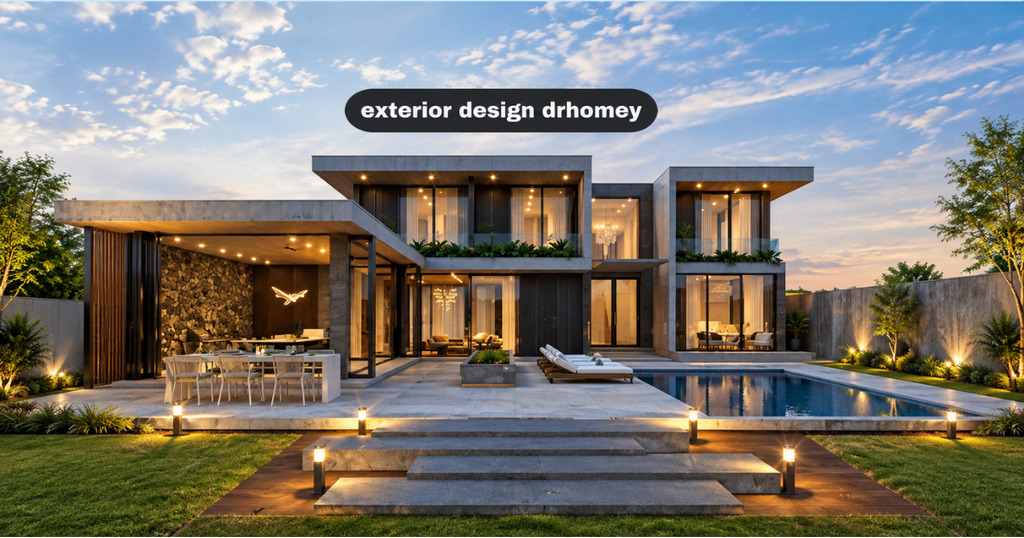
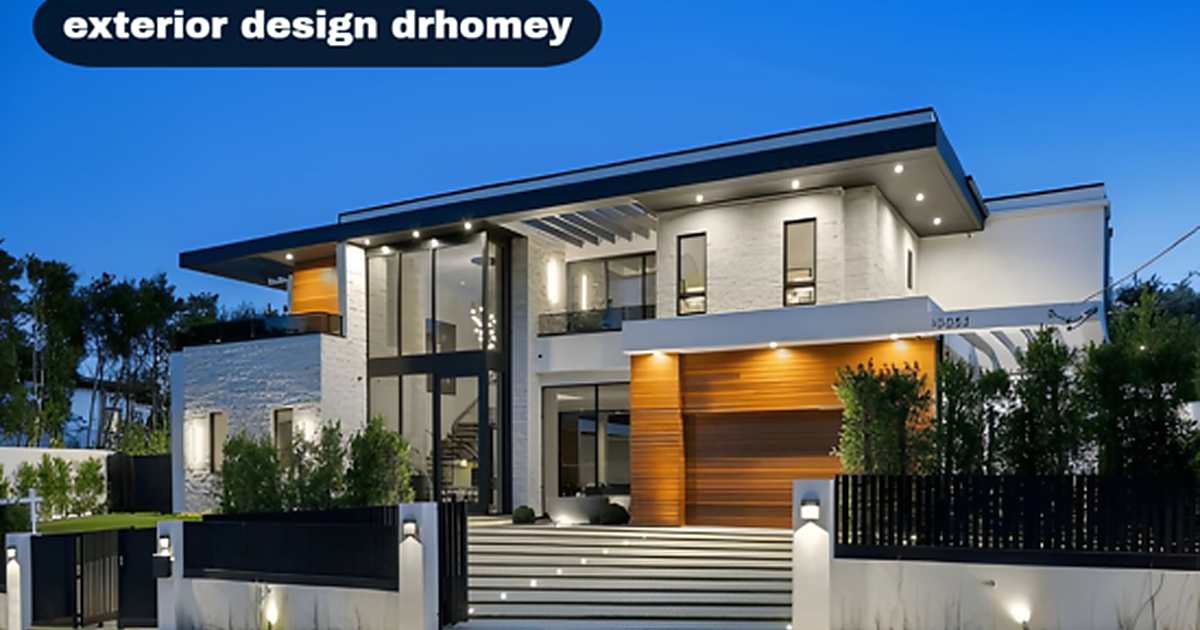
A house that disappears at night misses half its visual life. By extending your design into the evening hours through thoughtful exterior lighting, you not only enhance the beauty of your property but also create a warm and inviting atmosphere that promotes safety. Effective exterior lighting operates on three levels: ambient, task, and accent. Ambient lighting provides the overall brightness needed for relaxation and enjoyment, while task lighting focuses on specific areas like the front entry and steps, ensuring that paths are well-lit and welcoming.
Accent lighting adds that extra touch, highlighting architectural features, trees, or unique landscape elements that might otherwise go unnoticed after dark. However, many homeowners falter by over-illuminating areas, resulting in harsh lighting that can feel overwhelming. Striking the right balance is key; choose fixtures and bulbs that complement the natural beauty of your surroundings. With careful consideration, your outdoor space can transform into a captivating evening retreat, allowing you to savor the serene ambiance of your home long after the sun has set.
Outdoor Spaces That Actually Get Used
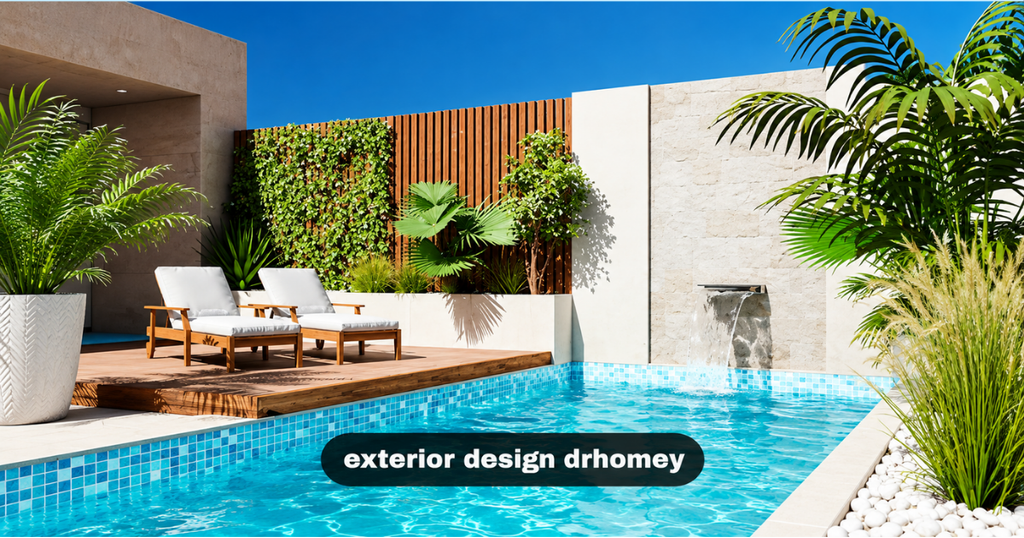
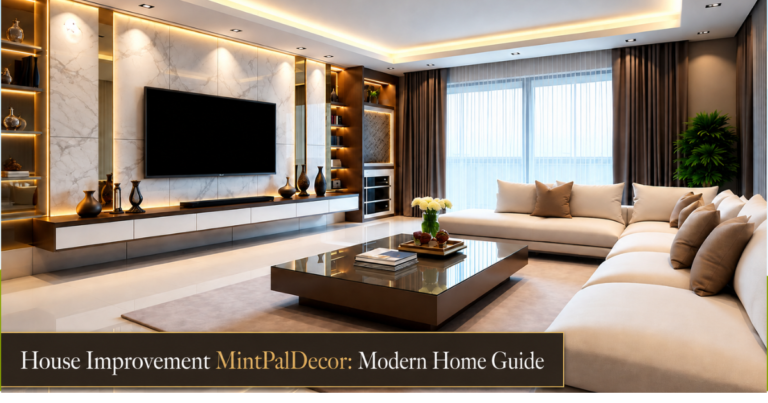
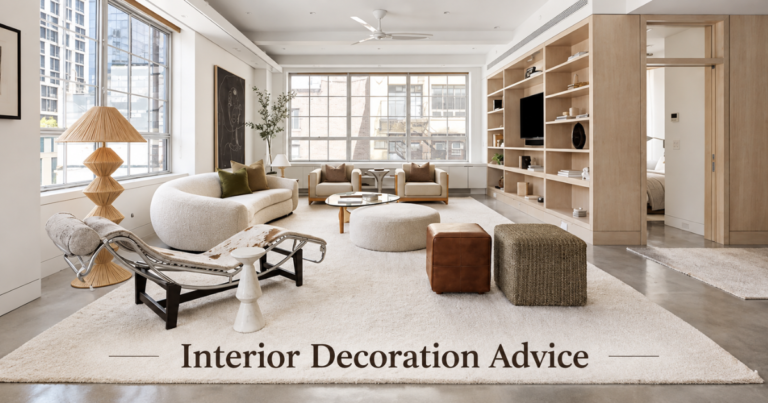
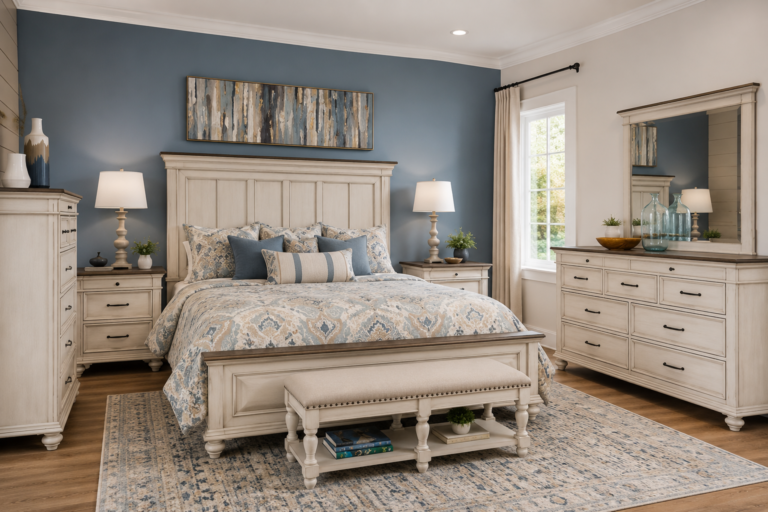
Many homeowners treat interior and exterior design as completely separate projects, but the most cohesive homes carry a visual thread between the two. When you harmonize your color palette, materials, and textures from indoors to outdoors, you create a seamless transition that elevates the overall aesthetic. Imagine sipping tea in a cozy living room adorned in soft earth tones, and stepping outside to a patio that echoes those same shades; it’s like bringing the serenity of the interior into the open air.
Incorporating similar materials for instance, using natural wood for both your indoor shelving and outdoor decking can deepen that connection, making the home feel like a curated experience rather than a collection of rooms and spaces. It’s all about creating a narrative that flows from the inside out, encouraging you to engage with each environment in tandem. Delve into this mindful design approach, and watch your home transform into a unified sanctuary that makes sense in its entirety.
Transforming the marriage of your interior and exterior spaces into a harmonious narrative can breathe life into your home. This does not mean everything has to match; instead, it’s about creating a dialogue between the two. When you extend your interior color palette to the exterior say, by incorporating soft earth tones or vibrant accents the two realms feel like they emerged from the same artistic vision. Large glass doors play a crucial role here, acting as a threshold that blurs the boundaries between the cozy allure of your living room and the tranquil charm of your outdoor sanctuary.
Consider outdoor furniture that echoes the hues and textures of your indoor upholstery. This subtle yet deliberate choice fosters a cohesive aesthetic, making both spaces feel like chapters of a single story. A home that feels unified on the outside and inside does not happen by chance; it’s crafted by treating the exterior as an extension of the interior narrative. When you embrace this mindset, you invite a refreshing flow that not only enhances visual appeal but also enriches the overall living experience, creating a sanctuary that welcomes you at every turn.
One Last Thought
Enhancing your home’s exterior doesn’t have to be a lavish project; it’s all about having a clear direction. Think about starting with the entryway a space that often sets the tone for the entire home. A few thoughtful changes here, such as a new coat of paint for your front door or a fresh welcome mat, can create an inviting atmosphere that draws attention. From there, let each decision inform the next step, helping you build momentum as you move outward.
The DrHomey philosophy champions encourages a mindset shift: your exterior is not merely a façade, but an extension of your personal style and care. When you craft your outdoor space with intention, the results can be transformative. Embrace the journey; the satisfaction of seeing your home evolve is a reward in itself.
You May Also Read : https://lanefurniturehub.com/lane-aesthetic-purple-bedroom/
FAQs
How can I create a cohesive look in my outdoor space?
Use a consistent color palette, materials, and furniture styles to unify various elements in your outdoor area.
How do I incorporate greenery into my modern outdoor design?
Consider using vertical gardens, potted plants, or ornamental grasses to add texture and life without overwhelming the space.
How do I choose the right color scheme for my outdoor space?
Consider the surrounding environment, use nature-inspired colors, and select shades that create harmony with your home’s exterior.
What are some functional features to add to modern outdoor spaces?
Incorporate multi-functional furniture, built-in seating, and outdoor kitchens or fire pits for a practical and inviting area.