How to Be Better at Interior Design MintPalDecor
Be better at interior design Mintpaldecor! Creating a beautiful home today transcends merely purchasing high-end furniture or adhering to the latest trends. Modern interior design emphasizes the integration of comfort, functionality, sustainability, and personal style to enhance everyday living.
The focus of interior design has shifted towards smart layouts, eco-friendly materials, energy-efficient lighting, and multifunctional spaces that cater to contemporary lifestyles. Redecorating a new homeor simply refreshing your decor, grasping key interior design principles can profoundly impact the outcome of your project.
This comprehensive guide aims to provide practical advice on improving interior design skills, discussing essential design principles, current trends, practical decorating tips, and expert strategies that are accessible to anyone, regardless of their budget or level of experience.
What Is Interior Design?
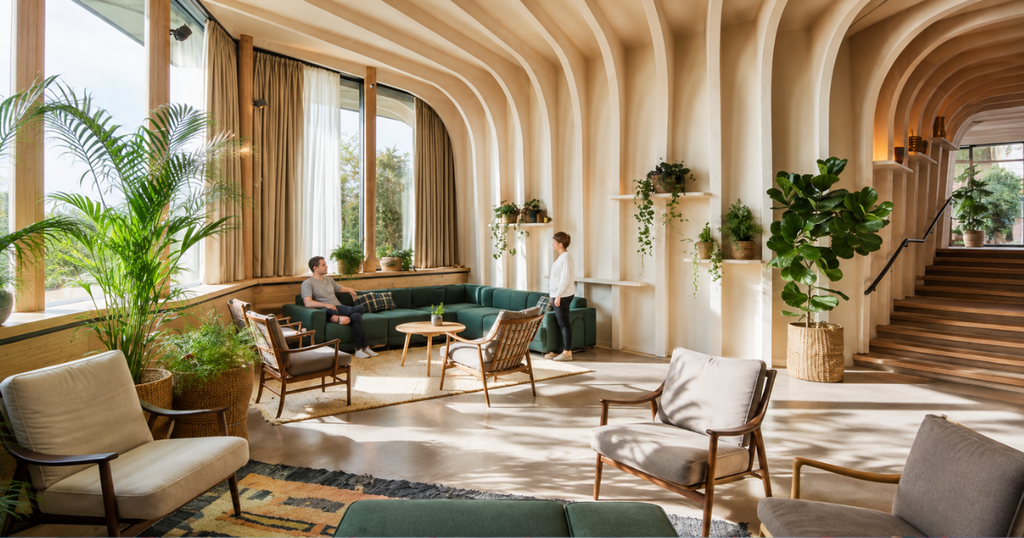
Interior design transcends mere furniture arrangement and color selection. It involves a comprehensive process of planning and decorating to enhance both functionality and aesthetic appeal. Discipline combines elements like color coordination, lighting, and textures to create spaces that promote beauty and comfort, ultimately fostering well-being.
Key aspects of a well-designed environment include effective space planning and furniture arrangement to ensure intuitive navigation and optimized storage solutions. Decorative accessories are strategically placed to function as both artistic elements and practical features, unifying the overall design.
Why Interior Design Matters in 2026
In 2026, interior design has evolved from a focus on aesthetics to a critical factor in enhancing daily life and emotional well-being. As homes transform into multifunctional spaces serving as workspaces, study areas, and relaxation zones, thoughtful interior design becomes essential for creating harmony amidst chaos.
Optimizing layouts and selecting furniture strategically can boost organization and cater to diverse needs. Intentional design promotes productivity and reduces stress. Well-designed interiors can elevate property values, making them attractive to homeowners and investors.
Start with a Clear Design Plan
A well-structured design plan serves as a roadmap for creating a functional space. Start by meticulously measuring each room to understand dimensions and architectural features, which aids in visualizing the arrangement of elements.
Define the purpose of each room before making aesthetic choices. Consider daily usage, such as a reading corner requiring cozy seating or a dining area needing ample table space for gatherings. Establishing a budget is essential for resource allocation and prioritizing high-impact investments like quality furniture and decor.
Choose the Right Color Palette
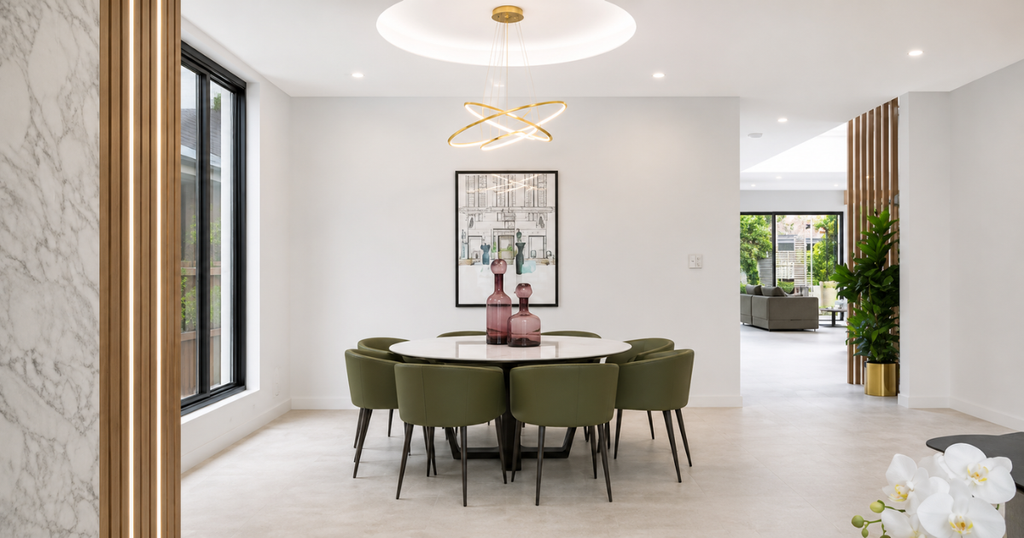
Choosing the right color palette significantly affects the visual and emotional dynamics of a space. Colors shape mood warm tones like reds and yellows promote comfort, while cool hues like blues and greens foster tranquility.
Accent colors can highlight features or decor, and the interplay of light and shadow alters the perception of colors, making it crucial to test samples under different lighting conditions.
Popular Interior Colors in 2026
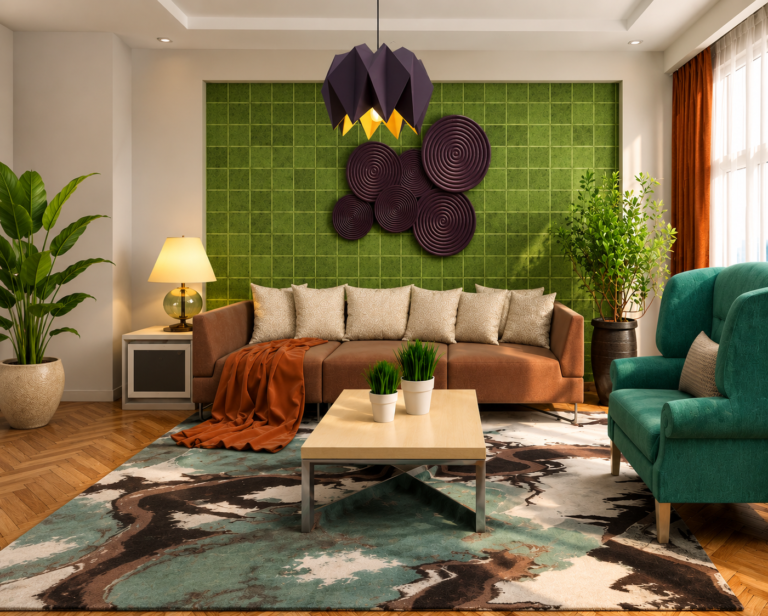
In 2026, popular interior colors emphasize serenity and a connection to nature with warm white, sage green, and olive green. Neutrals like sand beige and soft gray create cozy atmospheres, terracotta and dusty blue color add warmth.
These colors support modern spaces, enabling seasonal changes and personalization, transforming rooms into sanctuaries that inspire creativity and calmness.
Color psychology
Color psychology highlights the significant influence of colors on emotions and behaviors, guiding intentional space curation. Blue promotes calmness which is suitable for home offices. Green offers balance ideal for relaxation areas. Yellow injects energy and creativity.
White enhances cleanliness and clarity. Gray provides sophistication for living spaces. Earth tones evoke warmth for family areas. Thoughtful color selection fosters a harmonious environment, enhancing mood and functionality.
Focus on Functional Furniture
Modern homeowners prefer functional furniture that merges style with practicality, such as storage beds and modular sofas, which optimize space and adapt to various needs. Storage beds use under-bed space effectively, while modular sofas rearrange for gatherings.
Extendable dining tables reflect lifestyle changes, transitioning seamlessly from small to large events. Foldable desks and floating shelves maximize space and maintain a tidy appearance.
Maximize Natural Light
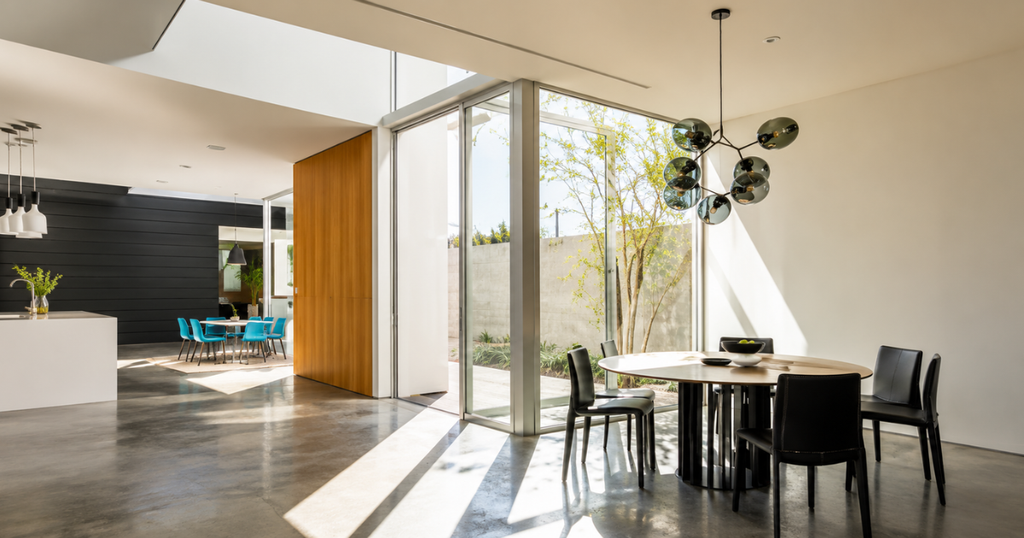
Natural light enhances rooms by making them appear larger, brighter, and healthier. Sheer curtains filter light while providing privacy, and mirrors can reflect this light to create a more expansive feel.
An uncluttered window area and avoiding oversized furniture ensure sunlight can enter freely. Light-colored walls further amplify the brightness, resulting in a more welcoming and visually appealing space filled with warmth and comfort.
Layer Your Lighting
Layering lighting enhances ambiance by creating depth and warmth in a space. Interior designers advise using multiple sources instead of a single ceiling fixture. The combination of ambient, task, and accent lighting results in a dynamic glow that highlights a room’s unique features.
Task Lighting
Task lighting is vital for boosting productivity in activity-specific spaces. It enhances focus and comfort, reduces eye strain, and illuminates work areas effectively, making tasks like reading, cooking, studying, or complex projects more engaging.
Accent Lighting
Accent lighting enhances spaces by highlighting specific areas that evoke emotion or tell a story. Integrating plants with accent lighting can invigorate interiors. Smart LED systems are transforming the approach to this lighting style.
Ambient Lighting
Ambient lighting plays a crucial role in transforming a space, offering overall room illumination while establishing mood and depth. Its gentle glow creates an inviting atmosphere, inviting interaction and comfort.
Keep Layouts Open and Comfortable
Efficient space planning in modern homes optimizes walking paths, reduces clutter, and enhances aesthetics. Sufficient space between furniture creates a calm environment.
Well-considered seating arrangements encourage conversation. A minimalist approach contributes to a visually appealing atmosphere conducive to relaxation and creativity.
Bring Nature Indoors
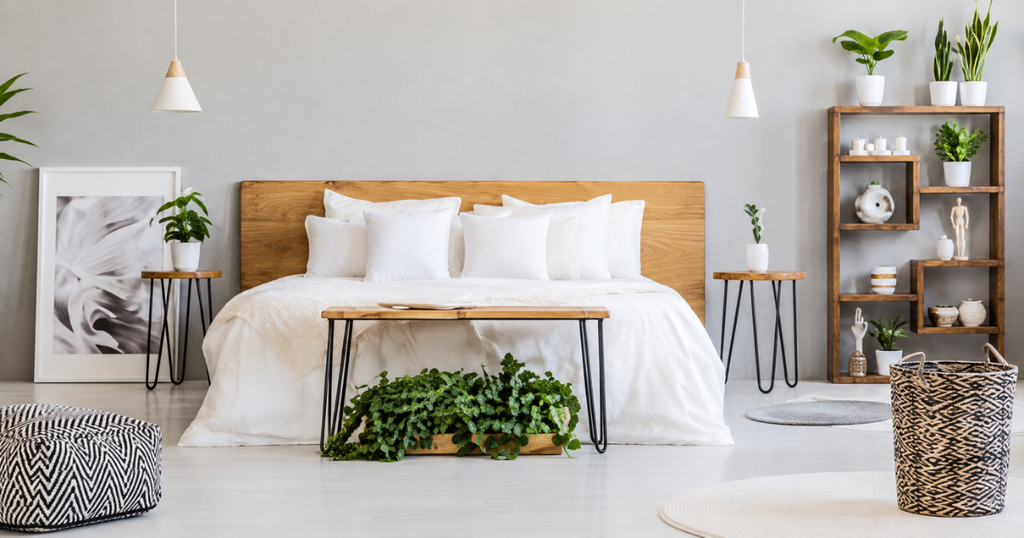
Biophilic design is a major interior trend in 2026, focusing on integrating natural elements. Key aspects include the use of indoor plants for improved air quality, wooden furniture for warmth, and stone accents that link indoor areas to the outdoors.
Large windows maximize natural light, promoting a sense of openness. Additionally, incorporating natural fabrics, woven baskets, and organic accessories like handmade ceramics contributes to a tranquil and cohesive interior atmosphere.
Advanced Tips to Master Interior Design
Understanding space planning, colors, lighting, and furniture selection enhances home design through thoughtful details. Incorporating tactile elements like textiles and natural materials brings warmth, while adjusting scale and proportion fosters a balanced aesthetic.
Add Texture and Layers
Interior designers enrich spaces by mixing materials and finishes, such as soft fabric sofas with rustic wooden tables, linen curtains with velvet cushions, and glass decor with natural stone.
This creates sophistication and harmony, exemplified by woven baskets near metal shelves and cotton rugs under leather seating, which add warmth and texture.
Decorate with Purpose
Decorative items should enhance the room’s overall look and complement the design style. Popular decor options for purposeful interior designs include framed artwork, mirrors, plants, ceramic vases, sculptures, books, candles, and family photographs. Balanced decor prevents clutter and infuses personality into the space.
Room-by-Room Interior Design Tips
Living Room
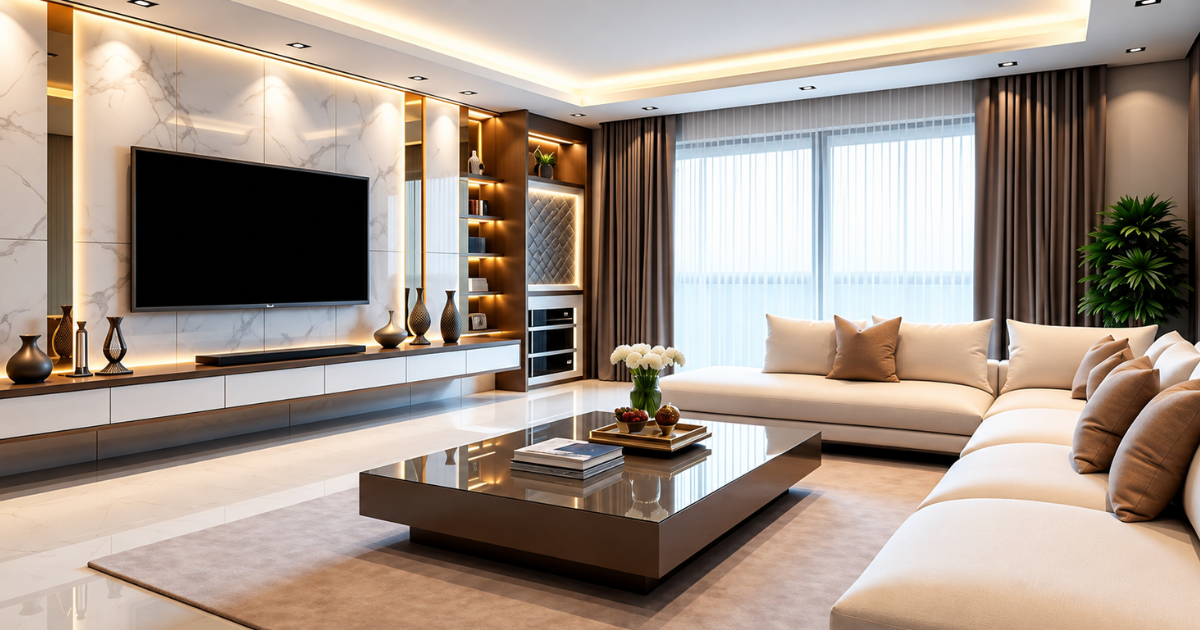
The living room should be comfortable and social. Using layered lighting for creating mood, a big rug for creating the seating area, some plants, and neutral furniture with colorful pillows make your living room aesthetic.
Bedroom
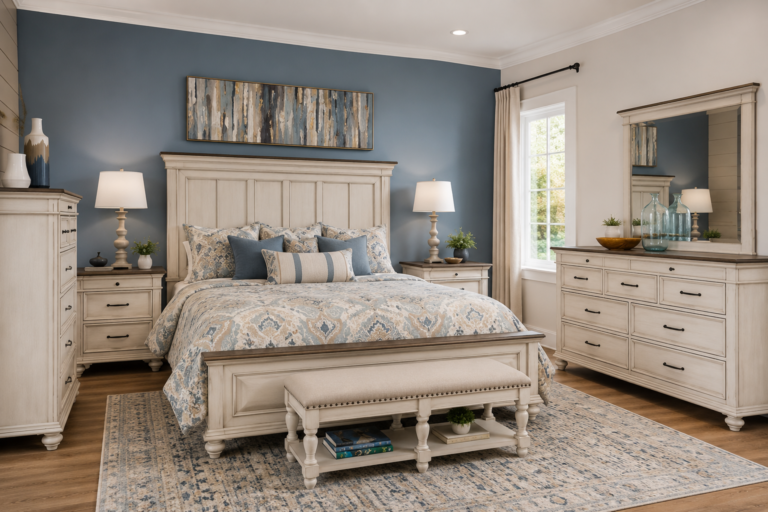
The rooms must help in achieving a relaxed environment with the use of best practices like incorporating soothing colors, cozy bedding, little clutter, blackout blinds, and proper lighting around the bed.
Kitchen
In today’s kitchen design, elegance and efficiency must go hand-in-hand, with shelves that can be accessed easily, quality countertops, under-shelf lighting, intelligent appliance systems, pantry space, and neutral cabinets with some wooden accents.
Bathroom
There are small details that would add to the luxuriousness of the bathrooms, like the use of big mirrors, floating vanities, fancy lights, shower enclosures, neutral-colored tiles, and plants.
Common Interior Design Mistakes to Avoid
Ignoring scale and proportion in interior design, such as oversized furniture in small spaces, can disrupt balance. Poor lighting choices may undermine design, while layering light sources enhances mood.
Impulsive purchasing can lead to incohesion, and over-reliance on trends may dilute personal style. Embracing individual identity through curated furnishings is key for a well-designed space.
Interior Design Trends for 2026
The interior designs in 2026 will involve earthy tones such as terracotta and olive as they bring a sense of tranquility. The use of wood and bamboo is common since they have been recycled and are environmentally friendly.
Advanced technology is employed to improve the quality of living spaces through the control of air quality and lighting. Multifunctional furniture is used to encourage minimalistic living.
Conclusion
Be better at interior design mintpaldecor! A good home design needs creativity and good planning. When designing your home, there should be focus on colors, natural lighting, and multi-functional furniture.
There is a need to embrace sustainability and design that lasts through generations. Interior design improves comfort, functionality, and increases the value of the property.
FAQ’s
How do I find my personal interior design style?
Start by gathering inspiration from magazines, websites, and social media platforms like Pinterest. Look for patterns in your preferences, such as colors, textures, and furniture styles.
What are the most common interior design mistakes?
Common mistakes include overcrowding spaces, improper scale and proportion, neglecting lighting, and choosing paint colors without testing them in the room’s natural light.
How can I make a small room feel bigger?
Use light colors on the walls and furniture, incorporate mirrors to reflect light, opt for multi-functional furniture, and keep the space uncluttered.
Why is room layout more important than decor?
A well-planned layout optimizes space usage and flow, creating a functional environment. Decor enhances the space but won’t compensate for a poor layout.