

Cozy Winter Room Ideas | Warm and Aesthetic Ways to Transform Your Space
When winter makes your room feel cold and bare, a few changes can make it more comfortable without a full redesign. Explore cozy winter room ideas from layered textiles and warm lighting to seasonal accents that bring warmth and style to your space.
What Is a Cozy Winter Room?
A cozy winter room is designed to feel warm in temperature and appearance. Start by addressing drafts around doors and windows, then layer in insulating fabrics such as heavy curtains, blankets, and rugs.

For a softer atmosphere, use warm-toned light, mix comfortable textures, and arrange seating close together. These choices make the room feel sheltered and welcoming without relying on one decorative feature alone.
How to Make a Room Feel Cozy and Warm for Winter
A room feels warmer in winter when it offers soft layers to settle into. Add a throw to the sofa, place a rug over a hard floor, and use cushions in tactile fabrics such as wool, cotton, or velvet. Choose colors that suit the room and feel inviting to you warm neutrals, deep greens, and muted reds are options, not rules.

Seal the drafts.
Check the bottom of any door that opens onto a garage, porch, or unheated hall. A fabric draft snake can block the gap, while an adhesive door sweep offers a fixed option, follow the product directions when fitting it.

To find small leaks around window frames, hold a lit incense stick nearby and watch the smoke. If it wavers, press rope caulk into the gap. Keep the incense away from curtains and other flammable materials, and extinguish it when you are done.
Insulate the windows.
Insulate windows with layers that help limit drafts. Hang thermal-lined curtains on a rod that extends 6 to 10 inches beyond each side of the window frame, so the fabric can cover more of the area around the window when closed.

In bedrooms and north-facing rooms, add cellular shades behind the curtains. This creates a practical window-covering setup with shades close to the glass and curtains as an outer layer.
Soften the floors and furniture.
A few changes to rugs and textiles can make hard surfaces feel less stark. Choose a rug large enough that the front legs of every seat rest on it, then place a felt rug pad underneath for a second insulating layer. This creates a softer foundation for the seating area.
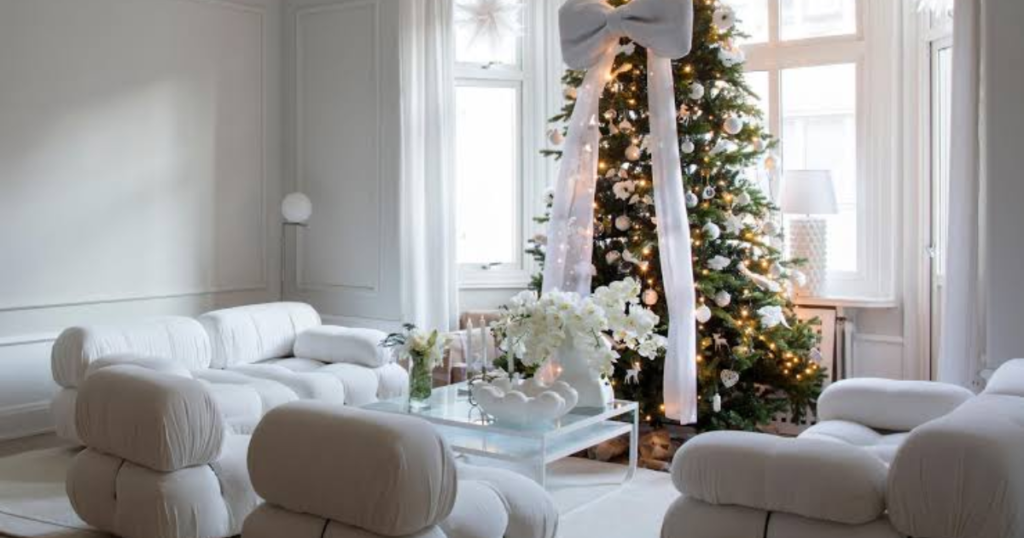
Bring that same softness to the furniture and bedding: toss a thick knitted blanket over the couch arm, and trade crisp cotton sheets for flannel. Sherpa pillows, velvet, or boucle can add a plush feel to a room. Mixing these textures helps carry the cozy effect from the living room into the bedroom.
Also Read: Boho Living Room Ideas: Warm, Free-Spirited Space
Warm the light.
Make warm, low-level lighting your default after dark. Replace cool bulbs with 2700K or 2200K LEDs in every lamp you use, then switch on at least three low-light sources around the room.

Dim or turn off the ceiling fixture to keep overhead light from dominating. With several lamps providing a softer glow, your evening lighting can feel more settled and comfortable.
Arrange for warmth.
Gray and white walls offer a calm backdrop, but a room can feel stark if every surface is cool or smooth. Bring in walnut, rattan, brass, and terracotta through furniture and accessories to add warmth and texture.
Then arrange the seating to support conversation: move sofas and chairs off the walls and group them around a coffee table. Keeping the pieces close makes the gathering area feel intentional and inviting.
Fix the air.
Set your ceiling fan to rotate clockwise on low during colder weather. This gentle setting can push warm air that has pooled near the ceiling back down into the room without creating a strong breeze.
If static shocks and dry skin are signs the indoor air feels parched, run a humidifier. Follow the manufacturer’s directions for use and cleaning, and adjust the setting to keep the room comfortable.
Add scent.
A cedar candle can bring a soft, woodsy scent to a room with minimal preparation. Set it on a stable, heat-resistant surface, keep it away from curtains and other items that can catch fire, and never leave it burning unattended.

If you prefer a stovetop option, simmer orange peel and cloves in water over low heat, check the pot regularly and stay in the kitchen. Either choice adds a finishing touch; use the one that best suits your space and routine.
Why Does a Room Feel Cold Even When the Heat Is On?
A room can feel cold even when the heat is on because comfort depends on more than air temperature. Your body radiates heat toward colder nearby surfaces, so sitting beside bare glass can feel chilly even when the air is warm.
The U.S. Department of Energy’s Energy Saver program estimates that roughly 30% of a home’s heating energy escapes through windows. If you’re deciding where to focus first, start with the window wall rather than buying new pillows or repainting.
What Is the Most Common Cozy-Room Mistake?
A close second to ignoring drafts is blocking a heating register with a sofa or drape. When furniture or fabric covers the vent, warm air can get trapped behind it instead of moving freely into the room.
Leave the register a clear path before arranging the rest of the space. Once drafts are sealed and heat can circulate, you can focus on blankets and other cozy details.
What Lighting Makes a Room Feel Warmer?
Warm-white bulbs rated at 2700K or lower can make a room feel more inviting. Check the Kelvin rating on the box, and look for a CRI of 90 or higher so wood and skin tones appear rich and natural.

Rather than relying on one bright overhead fixture, use several low lamps. Their separate pools of light create gentle shadow and depth, giving the room a more sheltered feel.
Does Humidity Make a Room Feel Warmer?
Humidity can make a room feel warmer, to a point. In dry air, moisture evaporates from your skin more quickly, which can make the same thermostat setting feel cooler. That’s one reason a heated room may still feel uncomfortable during a dry spell.
The U.S. Environmental Protection Agency recommends keeping indoor humidity between 30% and 50%. Check it with a digital hygrometer placed away from the kitchen and bathroom. If readings are below the low 30s, use a humidifier and ease off as the humidity rises; stop if condensation forms on the windows.
How Much Can a Cozier Room Save on Heating Bills?
The U.S. Energy Information Administration’s Winter Fuels Outlook 2026–27, estimates that homes heated mainly with electricity will spend an average of $1,196 from November through March—4% more than last winter, or about $46 more.

For a home with an electric furnace or baseboard heaters, suppose space heating accounts for half that seasonal bill: $598. A nightly setback of 7–10°F could save up to 10% of that heating cost, or roughly $60 this season. Heat-pump homes should generally use smaller setbacks and focus on sealing drafts.
When Does the Usual Cozy Advice Not Apply?
The usual advice to hang floor-length drapes does not fit every room. If a cast-iron radiator sits beneath a window, heavy curtains can trap its heat against the cold glass. Sill-length curtains are a better choice for that setup.
You can also paint the radiator to match the wall so it recedes from view without losing its role in warming the room. It’s a simple design choice to keep in mind when figuring out how to make an old house look modern.
Conclusion
A cozy winter room is less about a full makeover and more about thoughtful layers: soft textures, warm lighting, and colors that make the space feel inviting. Start with one area you use every day, such as your bed or reading corner, and add a throw, a cushion, or a lamp to make it more comfortable for the season.
FAQS
What makes a room feel cozy in winter?
A cozy room combines physical warmth by reducing drafts and insulating windows with warm lighting, soft textures, and seating arranged close together.
How can I reduce heat loss through windows?
Hang thermal-lined curtains on a rod that extends 6 to 10 inches beyond each side of the window frame. Consider cellular shades behind them in bedrooms and north-facing rooms.
What lighting makes a room feel warmer?
Choose warm-white LEDs rated 2700K or lower, with a CRI of 90 or higher. Use at least three low-light sources, and dim or switch off the ceiling fixture.
Does humidity affect how warm a room feels?
It can. Dry air speeds evaporation from skin, which can make the same thermostat setting feel cooler. The EPA recommends indoor humidity between 30% and 50%; use a hygrometer and stop humidifying if condensation forms on windows.