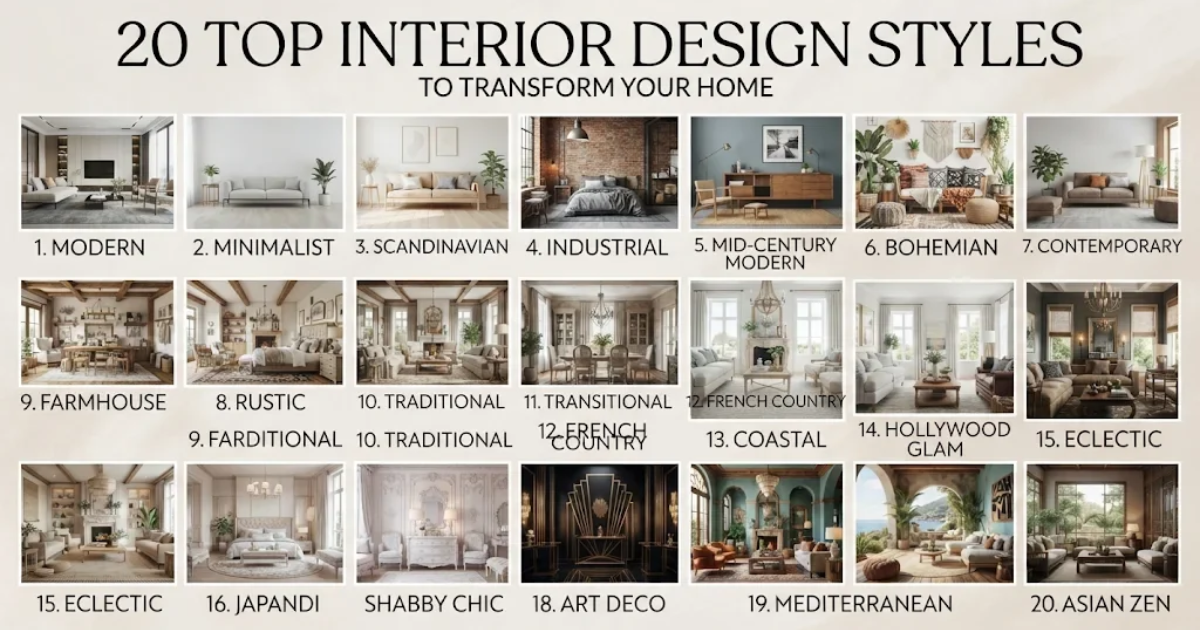
20 Top Interior Design Styles to Transform Your Home
Choosing a modern interior design style can feel overwhelming when every room needs to look polished and feel comfortable. The key is to find a look that suits your space, routines, and personal taste not just the latest trend.
This guide explores popular modern interior design styles, from minimalist and Scandinavian to contemporary and industrial. You’ll discover their defining features, color palettes, materials, and furniture choices. Use these ideas to create a cohesive home that feels current, functional, and distinctly yours.
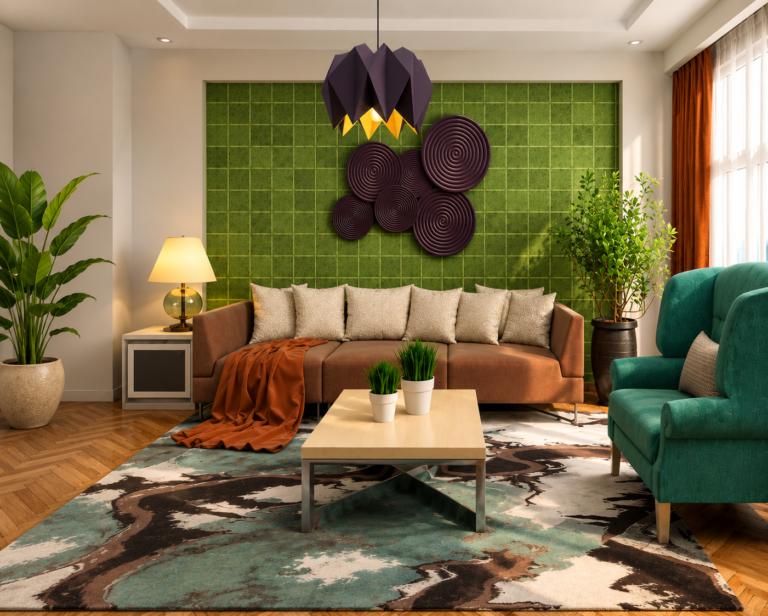
1. Maximalist interior design

A room full of bold patterns, bright colors, and collected treasures can feel overwhelming when nothing seems to work together. Maximalist design is all about more but thoughtful choices make that “more” feel personal and inviting. This guide shows you how to bring the look together with:
- Pattern: Mix florals, stripes, and geometrics with intention.
- Color: Layer rich jewel tones for warmth and depth.
- Personality: Display art, books, ceramics, and meaningful finds.
- Texture: Overlap rugs and layer materials to make a room feel cozy.
2. Mid Century Modern interior design
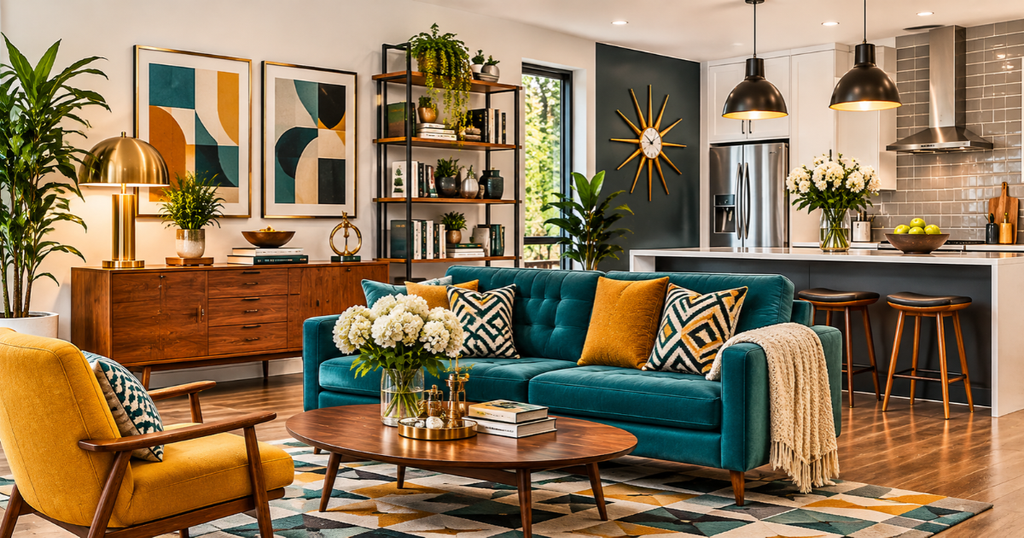
Modern design uses streamlined furniture, simple architecture, neutral colors, and polished surfaces. Strong geometric shapes and asymmetry give rooms a crisp look, but extreme simplicity can feel stark. A slightly softened kitchen balances that effect: pared-down barstools sit beside a black and white peninsula, while gray subway tile and stainless-steel appliances add practical, hardworking finishes. The clean lines and monochromatic palette are also easy to wipe down.
Mid-century modern refers to the design boom of the 1940s through the 1960s. Its furniture still feels fresh, with recognizable details such as tapered walnut or teak legs angled outward, and rounded chairs and sofas with organic curves. Add bold colors like mustard, teal, or burnt orange in small doses, then bring in a molded plastic chair or a geometric rug with a simple repeating pattern.
3. Industrial interior design

Industrial interior design takes its cues from old factories, mills, and warehouses. Instead of hiding a building’s structure, it makes features like exposed brick, pipes, and ductwork part of the look. Open floor plans, large windows, and neutral colors help keep the space feeling bright and uncluttered.
Key details bring warmth and character to the raw materials:
- Exposed brick stays visible and unpainted, often alongside raw concrete floors or countertops.
- Blackened steel adds a clean, matte-black contrast.
- Edison-style lights with filament bulbs on exposed cords bring a vintage glow.
- Reclaimed wood, metal, and leather add texture to furniture and finishes.
Keep the look grounded in practical, simple materials. Add a monocle or an old fashioned diving bell, though, and the style starts to feel more aesthetic.
4. Bohemian interior design
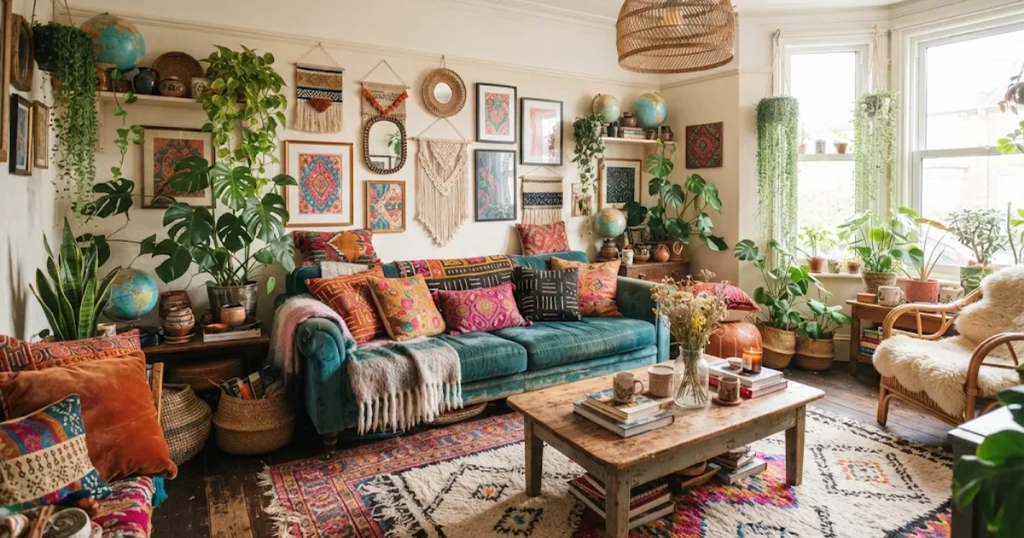
Bohemian style is all about bold color and cozy layers. Take inspiration from Justina Blakeney: mix rugs, throws, and pillows, and add macramé details and trailing plants to soften the room’s hard edges.
- Begin with pillows: Build a colorful collection from places you love. A mix of pillows can bring a sectional to life without needing to fill your home with souvenirs or bulky woven furniture right away
- Add pieces over time: Once your colors and layers are in place, look for details such as decorative skulls and live-edge tables. This relaxed, personal style works especially well for creative households and rental apartments.
5. Art Deco Interior Design: A Little Everyday Glamour

Art Deco brings the polish of the 1920s and 1930s into a room, with a look inspired by old Hollywood, ocean liners, and grand skyscraper lobbies. Its defining mix is bold geometry and luxe finishes—think fan-shaped patterns, glossy surfaces, and gleaming metal details.
- Look for geometric accents. Sunbursts, fans, and chevrons add movement to rugs, mirrors, and headboards without requiring a full room makeover.
- Mix shine with softness. Lacquered cabinets and tables catch the light, while mirrored furniture adds reflection. Brass toned trim brings a warm gleam, and deep jewel tone velvet gives sofas and chairs a softer, more inviting feel.
- Start with one statement piece. Art Deco works especially well in formal living rooms, entryways, and powder rooms. A lacquered console with brass hardware can introduce the style in a small, considered way. For a more colorful, contemporary take, look to designer Nick Olsen’s hall.
6. Electric Interior Design Style
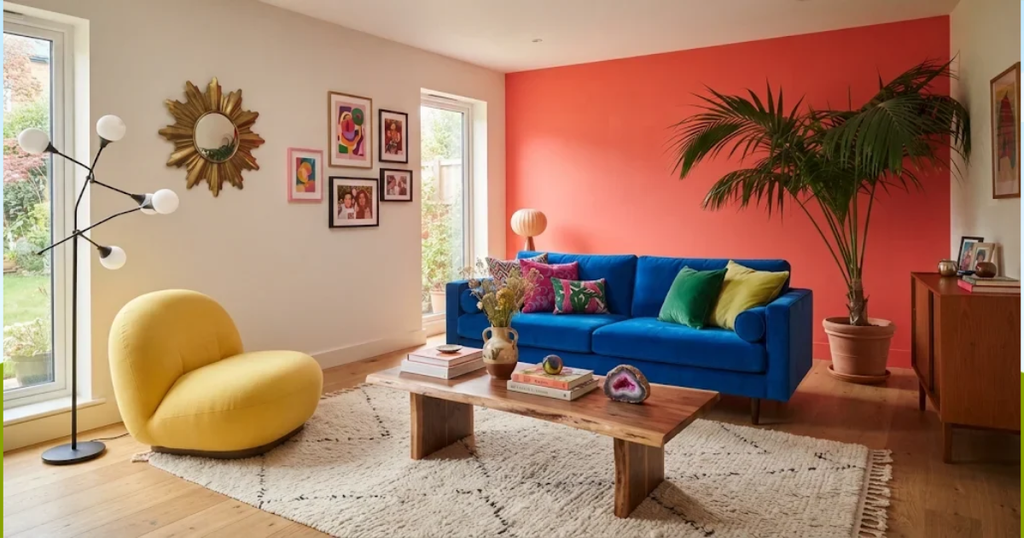
Electric interior design brings energy into a room through bold color, striking contrast, and playful details. The look can feel lively without becoming overwhelming: start with a simple foundation, then add a few standout pieces that reflect your personality.
- Choose a bold color: Try a vivid accent on one wall, a chair, or a set of cushions.
- Mix in contrast: Pair bright shades with calm neutrals or dark accents to give the eye a place to rest.
- Add sculptural shapes: Rounded furniture, graphic lighting, or an unusual mirror can make the room feel more expressive.
- Layer in personal details: Display art, books, and objects you love so the space feels welcoming rather than staged.
- Keep a little breathing room: Let statement pieces stand out by leaving some surfaces and corners uncluttered.
Build the room one choice at a time, checking how each new color or shape works with what is already there. That balance keeps an electric style spirited, comfortable, and distinctly yours.
7. Vintage interior design styles

Vintage style feels most authentic when it’s built around real, aged pieces not reproductions. Let restored furniture anchor the room, then bring in a soft palette of pink, mint, and other gentle pastels. The combination keeps the space light while allowing each timeworn piece to stand out.
- Add a touch of pattern: Floral upholstery in printed fabrics typical of mid-twentieth-century homes brings warmth and a lived-in feel.
- Look for one-of-a-kind finds: Estate sale lamps, frames, and ceramics give a room genuine history and personal character.
- Let age show: Brass and wood with a natural patina add depth. Rather than polishing every surface smooth, allow signs of age to tie the look together.
Together, these thoughtful layers create a collected, welcoming room with a story in every detail.
8. Rustic interior design

Rustic interior design brings the textures of the outdoors inside. Its look comes from natural materials and simple details that feel warm and lived-in:
- Show off the structure: Exposed wood beams give a ceiling a grounded, cabin-like feel. A rough-cut stone fireplace can become the room’s natural focal point.
- Keep the wood character: Choose live-edge tables or shelves that preserve the tree’s uneven outline. Reclaimed wood adds a similar sense of history and texture.
- Layer in softness: Wool throws, chunky knits, and plaid patterns balance the harder surfaces of wood and stone.
- Add handmade-looking accents: Black wrought-iron lighting and hardware bring a simple, sturdy finish.
This style feels especially at home in cabins, lake houses, and homes near wooded or mountain landscapes. In a city apartment, start small: a reclaimed-wood coffee table and a soft wool throw can bring in the same relaxed, natural mood without changing the whole room.
9. Coastal interior design

Coastal style brings the easy feeling of the shoreline indoors, even when the beach is miles away. Start with a light, relaxed palette: soft blues, seafoam greens, sea-glass tones, and sandy neutrals. Weathered wood in a bleached or driftwood finish gives the room a natural foundation, while linen slipcovers help sofas and chairs feel casual and breathable.
Add texture and pattern in small, welcoming touches:
- Bring in natural details: Try wicker or rattan, or choose rope-wrapped mirror frames and lamp bases.
- Add a simple stripe: Navy and white or sand and white textiles bring a playful nautical note.
- Keep the windows light: Swap heavy curtains for airy linen panels.
- Choose organic patterns: Wavy lines and botanical prints add movement without making the room feel busy.
These ideas work naturally in beach houses, but they can also give sunrooms and bathrooms a fresh, breezy feel. For an easy first step, replace one heavy fabric with linen or add a single striped cushion, then build the look around the textures and colors you love.
10. Mediterranean interior design

Mediterranean interior design brings the sun-warmed feel of southern Europe indoors. It blends Spanish, Italian, and French influences, pairing the relaxed mood of coastal style with earthy color and tactile finishes.
- Start with natural textures: Terracotta tile, with its warm clay color and slightly uneven finish, gives floors a lived-in feel. Stucco walls add soft, hand-troweled texture, while natural wood, rattan, and stone bring more warmth.
- Balance the colors: Blue and white are a classic pairing, but olive green, ochre, and terra-cotta can make a room feel richer and earthier. Wrought iron details such as a light fixture or railing add a simple, decorative contrast.
- Soften the architecture: Arched doorways create a gentle curve between rooms. For a lighter touch, try terracotta pots, a textured accent wall, or wrought iron lighting especially in a sunroom or a space connected to the outdoors.
In a breakfast area, designer Jon De La Cruz paired an antique Spanish refectory table with a banquette slipcover in Holland & Sherry fabric. It’s a thoughtful example of how Mediterranean character can come through in a few well chosen details.
11. Scandinavian interior design

Scandinavian interior design brings together clean lines, natural materials, and everyday comfort. Inspired by Nordic homes, where long winters make light and warmth especially important, the style favors pale wood, uncluttered rooms, and furniture designed to be useful first.
- Keep the palette light: Use whites, soft grays, and dusty blues to create a calm, airy feel.
- Choose pale wood: Blonde, unstained floors or furniture can brighten a room and soften its look.
- Layer in cozy texture: Add a wool throw, a sheepskin accent, or a high-pile rug for warmth and a touch of hygge.
- Let lighting stand out: Simple, sculptural lamps and pendants can work as decor while providing useful light.
These choices suit small apartments and cold-climate homes that need to feel both bright and cozy. In a bedroom by the Brownstone Boys design team, cool gray-green paint pairs with a wood bed featuring oversized ball feet a detail that nods to Japanese minimalism. For a quick refresh, swap dark furniture for pale wood and add a chunky wool throw.
12. Contemporary interior design

Contemporary style reflects what feels current, so it changes over time. Still, its signature look is easy to spot: streamlined furniture, simple shapes, and no unnecessary extras.
- Keep the palette calm: Use mostly neutral shades, then add one bold accent through a colorful detail or standout artwork.
- Let rooms connect: An open floor plan can bring the living, dining, and kitchen areas together in one easy-flowing space.
- Choose lighting with presence: A sculptural pendant or floor lamp can serve as a striking focal point.
- Mix textures: Pair smooth leather with matte wood and glass to give a minimal room warmth and depth.
Bespoke furniture and high-tech details can add a personal, polished touch. In the dining space by Susannah Charbin, sleek elements and varied textures show how contemporary design can feel both streamlined and welcoming.
13. Traditional interior design

Traditional interior design draws on classic principles instead of passing trends. It’s the polished, formal look many people picture in an American home, built around rich colors, graceful details, and a sense of order.
- Choose detailed wood furniture: Carved tables, chairs, and cabinetry give a room a timeless feel.
- Use a rich palette: Deep reds, navy blues, and forest greens add warmth and depth.
- Create balance: Arrange furniture and decor in pairs for a calm, symmetrical look.
- Add classic patterns: Damask and toile fabrics bring historical character to upholstery and curtains.
- Finish with trim: Crown molding along the ceiling gives the room a more polished touch.
Together, these details create a welcoming, formal space that feels rooted in tradition.
14. Transitional interior design

Transitional style brings traditional comfort and contemporary simplicity together. It’s a natural fit if you want your home to feel current without feeling cold or classic without looking fussy.
- Keep the palette warm and neutral: Build around warm grays, taupes, and creams for a calm, easy-to-live-with foundation.
- Choose classic shapes with cleaner lines: Furniture can feel familiar without the heavy ornamentation of a purely traditional room.
- Layer in soft texture: Pair linen, wool, and leather to add depth without relying on busy patterns.
- Use metal accents lightly: Brushed nickel or soft brass adds a subtle finish without making the room feel ornate.
- Aim for relaxed balance: A softer, less rigid sense of symmetry helps the space feel pulled together.
If you’re unsure which style to commit to, transitional design offers a versatile middle ground—and a resale-friendly look that’s easy to make your own.
15. Japandi interior design

- Keep the palette soft and earthy. Japandi brings Japanese minimalism together with Scandinavian warmth. Use muted shades like soft clay, sage, and off-white to create a calm, welcoming feel.
- Let natural wood set the tone. Choose light, warm wood for furniture and flooring to tie the room together. Low, grounded furniture adds a quiet sense of ease and keeps the space feeling open.
- Make room for the details. Handcrafted ceramics bring an imperfect, personal touch and can serve as the room’s main decoration. Keep countertops and shelves mostly clear so each piece has space to stand out.
16. Small space interior design

Small-space design is about making each square foot work harder without making a home feel crowded. In studios, tiny homes, and city rentals, a few thoughtful choices can add storage, create useful zones, and keep the room feeling open.
- Think up: Choose tall shelves and wall-mounted storage to use vertical space instead of filling the floor.
- Choose furniture that multitasks: A daybed can work as a sofa, while a folding table can tuck away when it’s not needed.
- Let light move: Mirrors can make a room feel larger, and pale, reflective colors on walls and furniture help spread available light.
- Define each zone: Use a rug to visually separate areas for relaxing, dining, or working in an open room.
Minimalist and Scandinavian styles often suit compact homes naturally, with simple furnishings and an uncluttered feel. Start with the pieces you use most, then build a layout that gives each one a clear place.
17. Zen Interior Design Styles

Zen-inspired interiors are simple, comfortable, and connected to nature. Choose a few pieces you love, leave open space around them, and let natural light brighten the room. Soft colors like warm white, beige, and muted green help create a peaceful feel.
- Use natural materials: Try wood, linen, cotton, or stone for a warm, relaxed look.
- Keep decor simple: Add a plant, a handmade bowl, or a favorite piece of art instead of filling every surface.
- Make room to breathe: Clear away clutter and arrange furniture so it’s easy to move through the space.
- Add soft touches: A textured throw, gentle lighting, or cozy rug can make a room feel inviting.
The best Zen-inspired space is one that feels restful to you, not perfectly styled. Start with one small change, then build a look that feels calm and personal.
18. Farmhouse interior design
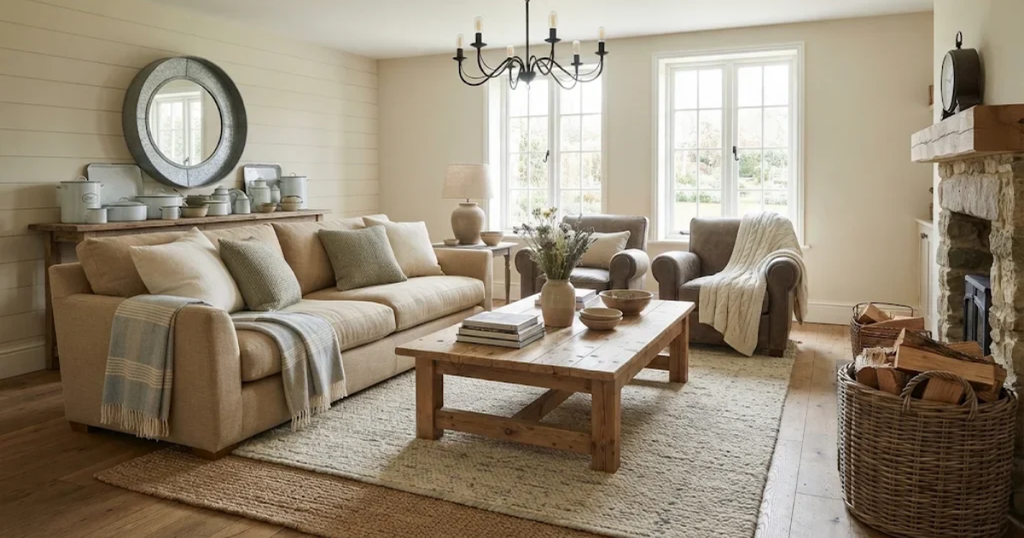
Choose natural textures. Farmhouse interior design feels warm and welcoming when you pair wood, woven materials, and soft fabrics. A mix of textures adds interest without making a room feel busy.
Keep the palette calm. Cream, warm white, and other muted shades create an easy backdrop. Add a few darker accents or gentle patterns for contrast, and let everyday pieces feel at home.
Make comfort the focus. Pick furniture and decor that are practical as well as attractive. A cozy throw, a sturdy table, or a simple vase can bring character to a room without overcomplicating it. From there, add personal touches that make the space feel like yours.
19.California Chic interior design

California chic brings the easy feel of California casual living to the sun washed landscapes of the high desert. With pale blush, weathered leather, and natural textures as its base, the style feels relaxed without looking unfinished. This guide shows how to add a little polish with darker accents think a deep-toned door, velvet bench, or nightstand and bring in personality with handmade pottery and patterned finds.
- Start with soft blushes and organic neutrals.
- Add darker accents for contrast and polish.
- Use pottery and patterned pieces to give the room character.
20. Minimalist interior design
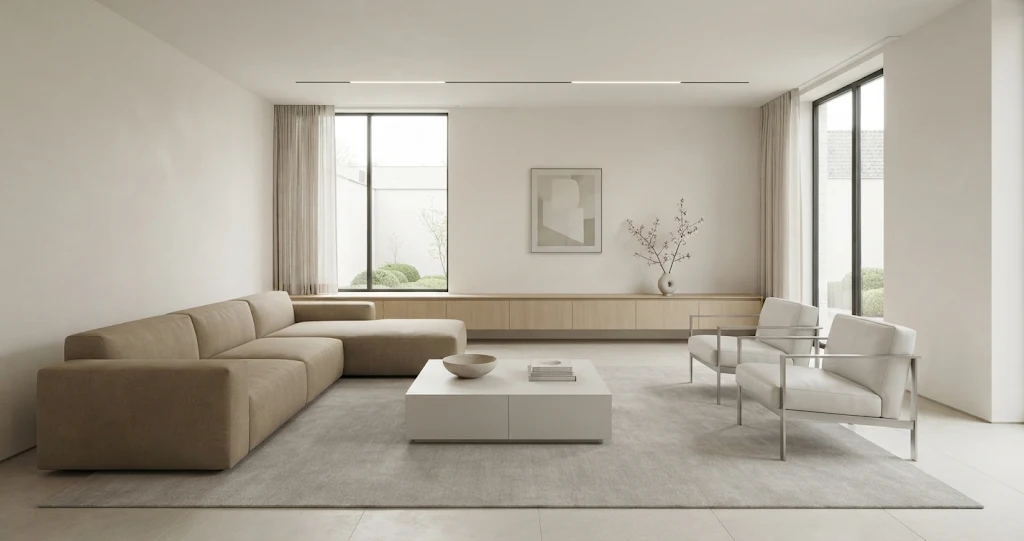
When clutter makes it hard to relax or find what you need, minimalist interior design can help your home feel calmer and easier to use. This guide explains how to create a clean, welcoming look with simple furniture, a quiet color palette, and smart storage—without making your space feel empty. Start with a few essentials:
- Clean-lined furniture with simple shapes and little ornament
- Soft neutral colors like white, gray, and warm beige
- Open space that gives the eye room to rest
- Multifunctional pieces that make the most of each room
- Matte surfaces that keep the overall look calm
Conclusion
The best interior design style is the one that feels right for your home and the way you live not simply the one that’s trending. Use these ideas as a starting point, then choose a room, save a few images that appeal to you, and look for common colors, materials, and shapes. A clear direction makes your next design decisions easier and helps create a home that feels cohesive and personal.
FAQs
Which interior design styles can transform my home?
Several interior design styles can give your home a fresh and beautiful look. Popular choices include modern, minimalist, Scandinavian, bohemian, industrial, farmhouse, and mid-century modern. Each style has its own charm, so choose one that matches your taste and makes your home feel comfortable.
What colors can make a home look expensive?
Colors like cream, beige, warm white, charcoal gray, navy blue, and emerald green can make a home look elegant and expensive. Pairing these shades with gold details, wooden furniture, and soft lighting can create a more luxurious feel without spending too much.
What’s a popular color for interior walls?
Warm white, soft beige, light gray, and greige (a mix of gray and beige) are popular choices for interior walls. These colors make rooms feel bright, calm, and welcoming. They also work well with different furniture styles and home decorations.
What is Gen Z interior design?
Gen Z interior design is a fun and creative approach to decorating a home. It often includes colorful furniture, playful decorations, vintage finds, LED lighting, plants, and personal artwork. The main idea is to create a space that shows your personality rather than following strict design rules.
Can I combine different interior design styles?
Yes! You can mix different interior design styles to create a home that feels personal and unique. For example, you can combine modern furniture with rustic wooden details or add bohemian rugs to a minimalist room. Try to keep a consistent color palette so everything looks balanced and connected.
How can I identify my interior design style?
Start by looking at the rooms, furniture, and colors you naturally love. Save pictures of interiors that catch your attention and notice what they have in common. You may prefer simple furniture, natural materials, bold colors, or cozy decorations. These details can help you discover a style that feels right for you.
What is the golden rule in interior design?
The golden rule is the 60-30-10 rule — 60% dominant color, 30% secondary color, and 10% accent color, creating a balanced and visually pleasing room.
What are the 7 elements of interior design?
The 7 elements are space, line, form, light, color, texture, and pattern. Together, they shape a room’s structure, mood, and overall style.